
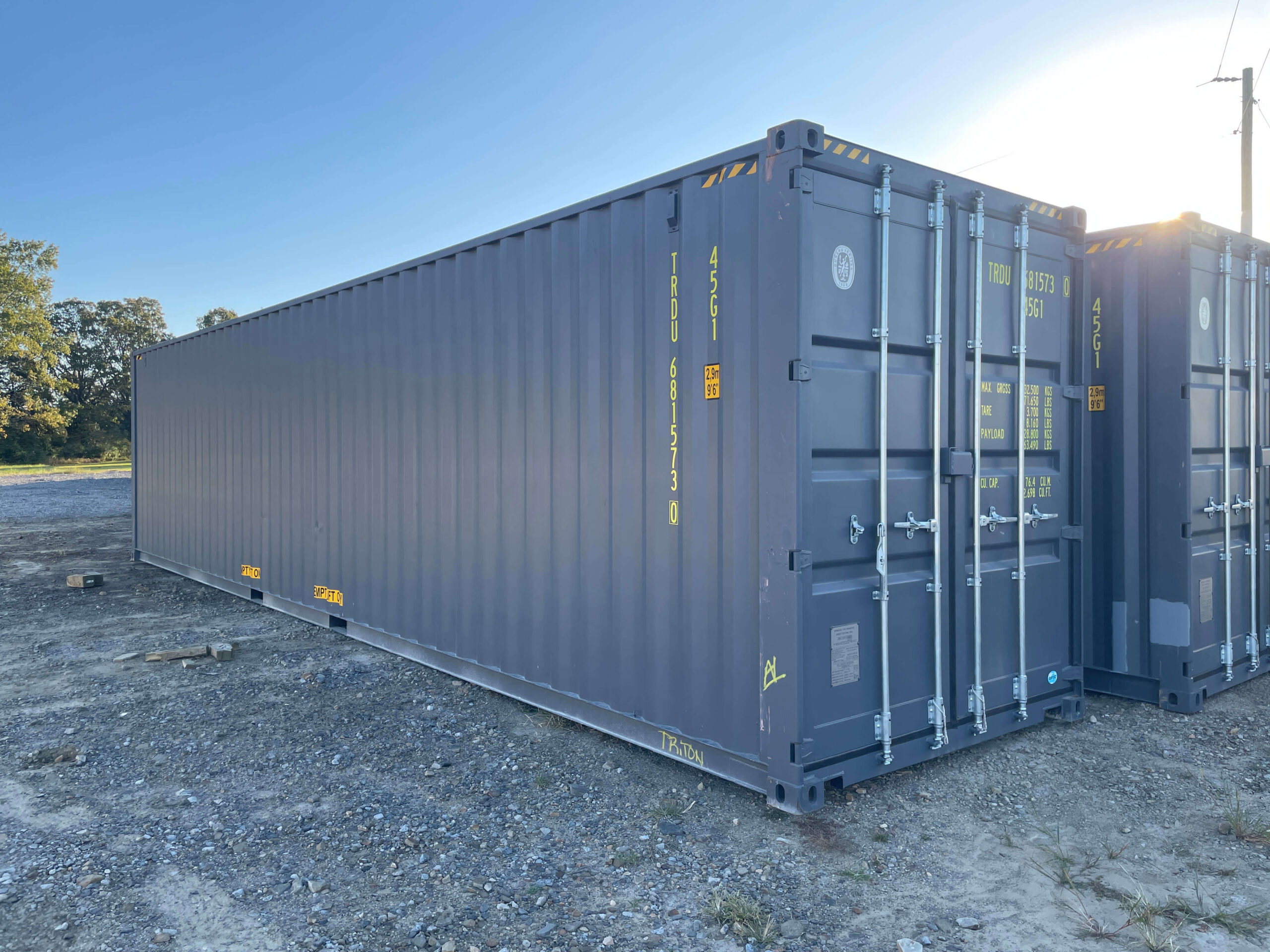
How Much Can You Store in a 40-Foot Shipping Container?
A 40-foot shipping container gives you room for a lot more than a few stacks of boxes. It can hold furniture during a renovation, seasonal inventory for a business, or tools and materials for a busy job site. The harder question is whether everything you need to store will fit in a way that still lets you reach it.
The answer depends on the size and shape of your items, how you load them, and whether you need an aisle. Here’s a practical look at 40-foot shipping container storage capacity and what that space can do for you.
How Big Is a 40-Foot Shipping Container Inside?
A standard 40-foot container measures 40 feet long and 8 feet wide on the outside. Arkansas Containers lists its interior dimensions at approximately 39 feet 5 inches long, 7 feet 8 inches wide, and 7 feet 9¾ inches high. That works out to roughly 300 square feet of interior floor space.
Think of it as a long storage room with double doors at one end. You can place large items along its length and stack sturdy boxes to use the height. Keep in mind, though, that the full floor area is only available if you pack it tightly. If you need to walk inside, open cabinets, or retrieve items regularly, leave room for an aisle.
Before planning around a tall piece of equipment or furniture, check the door opening, too. On Arkansas Containers’ standard 40-foot model, the opening is approximately 7 feet 8 inches wide and 7 feet 5 inches high. An item needs to fit through the doors before its interior placement matters.
Household Contents: Room for Furniture, Boxes, and More
A 40-foot container can be useful when your belongings need to leave the house for a remodel, an estate cleanout, or a move with a gap between closing dates. Instead of picturing a certain number of bedrooms, make a list of the largest pieces you need to store:
- Sofas, dining tables, bed frames, and mattresses
- Dressers, bookcases, and desks
- Appliances
- Labeled boxes of clothing, dishes, and household items
- Garage items such as bicycles, lawn equipment, and shelving
How much fits depends on the furniture. A sectional sofa and assembled dining set use space very differently from disassembled bed frames and stacked boxes. If you can take tables apart and stand mattresses upright safely, you may free up a surprising amount of floor space.
For a renovation, load items you won’t need soon toward the back. Keep tools, spare materials, and everyday belongings closer to the doors. Protect furniture from scratches, and avoid stacking heavy boxes on pieces that could bend or break.
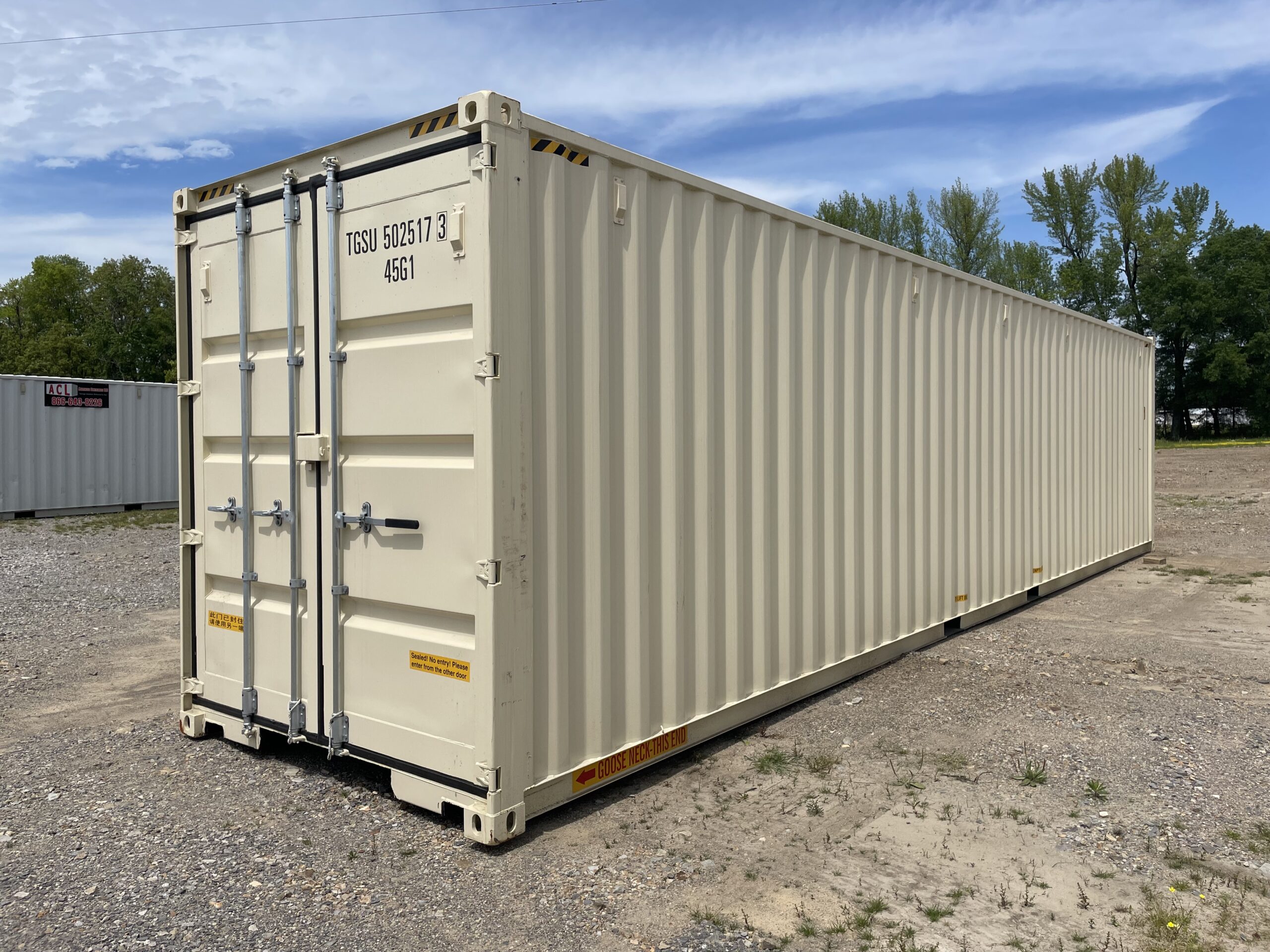
Business Inventory: Make Space for Overflow
For a business, a 40-foot container can act as on-site overflow storage. A retailer might use one for holiday displays and boxed merchandise. A contractor might store spare parts and supplies. A growing business could keep packaging, fixtures, and equipment close by while freeing up room inside its building.
The number of cartons or pallets you can store varies with their dimensions, the way they are stacked, and whether you need access to individual products. A tightly packed container may hold more goods, but it becomes harder to use if the item you need is buried at the back.
If your staff will pull inventory throughout the week, organize the space around retrieval:
- Group products by type, season, or project.
- Put frequently used items near the entrance.
- Keep labels facing an aisle.
- Use shelving suited to the weight of the goods.
- Leave enough room to move items without unloading half the container.
That planning can make the difference between useful extra storage and a long row of hard-to-find boxes.
Farm Supplies: Keep Seasonal Items Together
Farms and rural properties often have storage needs that change with the season. A 40-foot container offers space to group items such as empty bins, fencing supplies, hand tools, irrigation components, and seasonal equipment in one place.
Long items are where the container’s shape can be especially helpful. Fence posts, gates, and other materials that are awkward to fit in a small shed may be easier to arrange along its length. Shelving or racks can help separate smaller parts from larger supplies.
Plan around the items’ storage requirements. Damp materials should be dried before storage, and anything sensitive to heat, humidity, or temperature changes may need additional protection. Keep fuels, chemicals, and other regulated materials in storage that meets their specific safety requirements. If you’ll be moving supplies in and out regularly, preserve a clear path to the back.
Construction Materials: Space That Stays Near the Job
A 40-foot container can also help keep a job site organized. Depending on the project, it may hold boxed fixtures, doors, trim, flooring, tools, and materials awaiting installation. Crews can stage supplies in one location instead of spreading them across the site.
Start with the longest and bulkiest materials when planning the layout. Then decide which items need to be accessible first. Materials for next week’s work should be easier to reach than supplies for a later phase.
Pay attention to weight as well as size. Dense materials can put a lot of load on a small area of the floor, while fragile products can be damaged by stacking. Follow the handling guidance for each product and confirm the container’s suitability for unusually heavy loads before delivery.
Equipment: Measure the Route In, Not Just the Parking Spot
A container’s long interior can accommodate a range of equipment, but this is the category where measuring matters most. Tool chests, workbenches, carts, compact machines, and attachments may appear to fit on paper. You still need to account for the door opening, the method of loading them, and the space required to get around them afterward.
Before choosing a container, record each large item’s length, width, height, and weight. Check for handles, tires, attachments, or packaging that add to those measurements. Then sketch where each item will sit. If you need to remove one machine regularly, make sure another piece of equipment won’t block it.
Ask about loading and placement before the container arrives, especially if you’ll need a ramp or lifting equipment. A workable plan matters more than a rough estimate of how many machines could fit side by side.
How to Get More Useful Space From Your Container
The best way to use a 40-foot container is to decide how often you’ll need what’s inside. If it’s mostly long-term storage, you can pack more densely. If it will function as an active supply room, give up some storage space for access.
A few simple choices help:
- Use consistent box sizes so stacks stay stable and waste less space.
- Place heavy items low and protect anything fragile.
- Keep an inventory of what you store and where you put it.
- Group related items so you can retrieve them together.
- Leave an aisle if you’ll need to reach items at the back.
- Plan for the conditions your belongings require, particularly if they are sensitive to moisture or temperature.
It also helps to think about where the container will go. Arkansas Containers says a 40-foot delivery requires about 100 feet of straight clearance for unloading, fairly level and firm ground, and at least 16 feet of overhead clearance. Check the route for branches, power lines, and roof overhangs before scheduling delivery.
Is a 40-Foot Container the Right Size for You?
A 40-foot container makes sense when you have a substantial amount to store, long or bulky items, or an ongoing need for organized space on your property or job site. The roughly 300 square feet of interior floor area gives you flexibility, but the amount you can use depends on your layout.
Make a quick inventory of your largest items first, then decide what needs to stay accessible. If the contents fit but leave no practical way to reach them, you may need a different arrangement or more than one storage space.
Arkansas Containers offers 40-foot containers for rent and purchase, with delivery across Arkansas. Share what you plan to store and where the container needs to go, and the team can help you choose an option that fits your project.