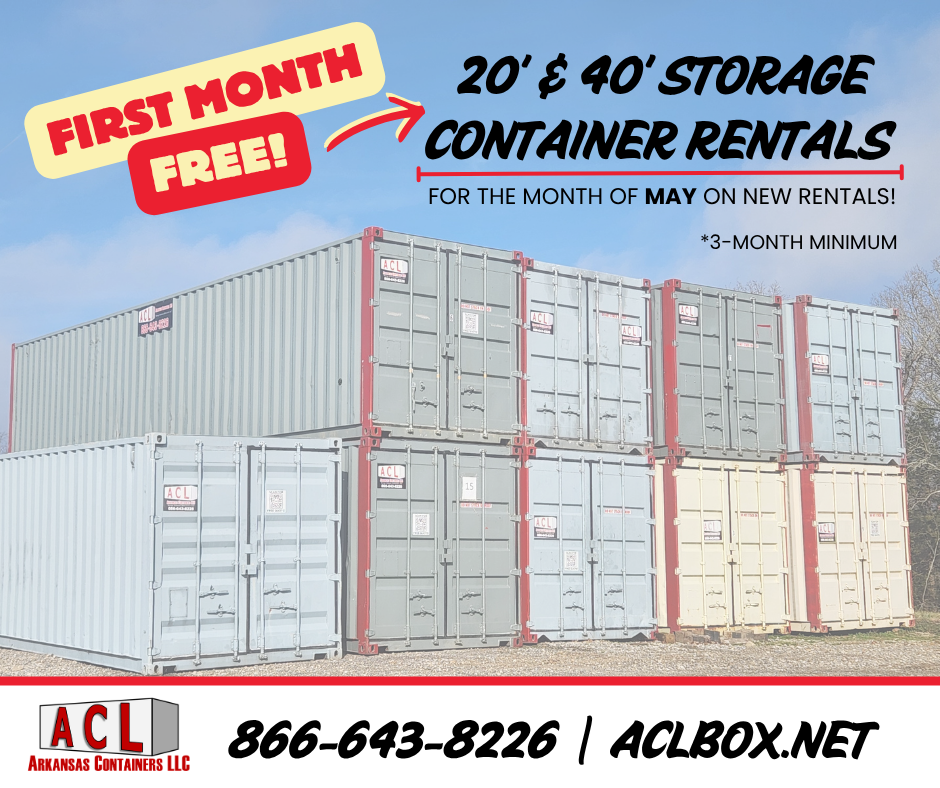
The most common sizes are 20-foot containers and 40-foot containers. A 20-foot container works well for household storage, tools, and small business inventory. A 40-foot container is better for large equipment, construction materials, or long-term commercial storage. High cube containers are also available for customers who need extra interior height.
Pricing depends on container size, condition, availability, and delivery location. Newer containers cost more than used units, and specialty containers typically have higher pricing. The most accurate pricing comes from a quote based on your zip code and container grade.
Rental pricing varies by container size, rental length, delivery, and pickup. Short-term rentals usually cost more per month than long-term rentals. Renting is often a good option for temporary storage needs or job sites.
Renting makes sense for short-term storage, construction projects, or temporary site use. Buying is usually the better choice for long-term storage, permanent placement, or if you plan to modify the container. If you expect to keep a container for an extended period, buying often costs less over time.
New or one-trip containers have minimal wear and a cleaner appearance. Used containers show cosmetic wear, such as dents or surface rust, but are still structurally sound. Used containers are commonly chosen for budget-focused storage needs.
A wind and watertight container is designed to keep out rain and wind. Cosmetic damage is normal, but the container should have solid walls, a sealed roof, functional doors, and no active leaks. This grade is commonly used for storage.
A cargo-worthy container meets structural requirements for transporting goods. This grade is typically used for shipping cargo rather than on-site storage. If you do not plan to ship internationally, wind and watertight containers are usually sufficient.
Most containers are delivered using a tilt bed truck that slides the container off the back of the trailer. The delivery location must be accessible by a large truck with enough room to safely unload the container.
A typical delivery requires clear access, level ground, and adequate turning space. You will need open space in front of the placement area for the truck to tilt and unload the container. Tight driveways, low branches, soft ground, or steep slopes can limit placement options.
Containers should be placed on firm, level ground. Common bases include compacted gravel, concrete, or solid blocking under the corners. Proper leveling helps prevent door issues and long-term structural stress.
Permit requirements depend on local zoning, city rules, and HOAs. Some areas require permits for permanent placement or long-term use. It is the customer’s responsibility to confirm local requirements before delivery.
Placement depends on site access and safety conditions. Drivers can usually place containers accurately if there is enough room and stable ground. Limited access or obstacles may restrict placement options.
Yes. Common modifications include roll-up doors, man doors, vents, lockboxes, shelving, lighting, insulation, and electrical packages. Customers planning to modify containers typically choose to purchase rather than rent.
Security options include lockboxes, heavy-duty padlocks, and controlled placement such as fencing or lighting. Additional security features can be added depending on what you plan to store.
Ventilation helps reduce moisture buildup, especially in humid environments. Basic maintenance includes keeping the container level, lubricating door hardware, and checking seals and roof condition over time.